 By admin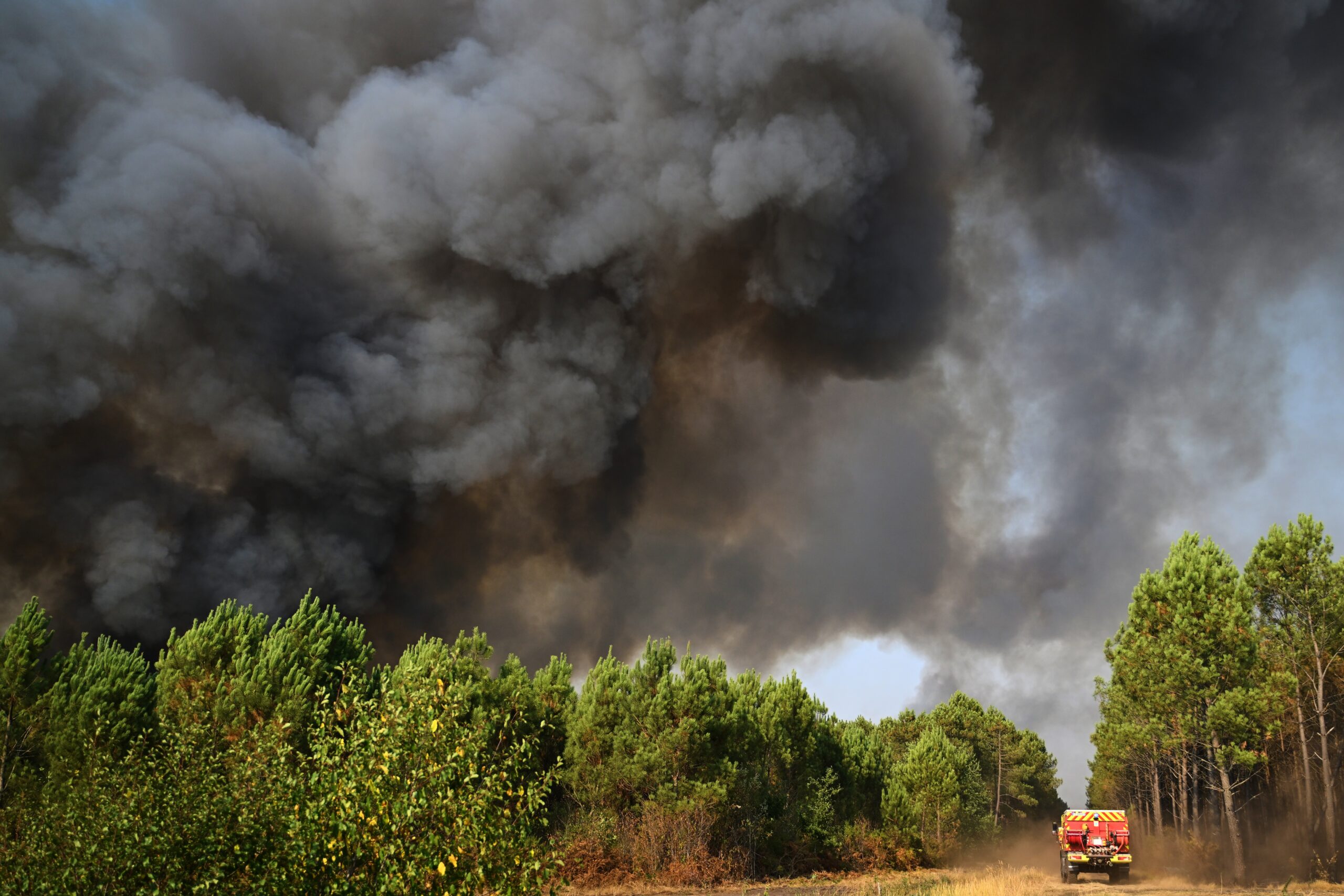
LEGE-CAP FERRET, France (AP) — Higher humidity, cooler temperatures and a forecast for rain raised hopes of relief Thursday for a parched portion of southwestern France engulfed by wildfires that have charred an area four times the size of Paris in recent weeks.
Read more Russian strikes across Ukraine, from east to west, kill at least 8 and wound dozens
With moisture moving in from the Atlantic coast, national weather service Meteo France forecast light rain in the town of Lege-Cap Ferret, on a peninsula that’s been a leading edge of the devastated region.
Local officials reported a “rather calm” night, with a fire that has not grown beyond the 42,000 hectares (about 162 sq. miles) already affected. Fire crews remained at “total mobilization” with 2,200 firefighters and over 20 aircraft.
Rain fell early Thursday in the city of Bordeaux to the east. But there were no early signs of enough rainfall in the hardest-hit areas that could douse the flames or dampen the sandy ground and brushy undergrowth of pine forests that have fueled the inferno.
Sophie Brocas, the prefect for the Gironde region, expressed some optimism that lower temperatures could help.
“If that’s confirmed, we could foresee a return to a more normal life for residents, but also for businesses that need to work,” she told reporters late Wednesday.
Read more Jordan shoots down 5 Iranian missiles as US unleashes ‘heavy wave’ of strikes against Iran
Humidity reached 80% overnight but was expected to drop by midday, authorities said. Some rainfall was expected along the coast that “could reach the fire zone,” Gironde officials said in a morning note.
Temperatures that peaked around 40 Celsius (104 Fahrenheit) a day earlier were set to drop Thursday, topping out at 27 C (80 F) along the coast. An “orange” heat wave alert — the second-highest level after “red” — was lifted shortly before dawn.
The fires in the Bordeaux wine-growing, forested and tourism-heavy region are among the blazes that have swept across pockets of southern Europe in recent weeks, including Spain and Greece.
On Wednesday, authorities said three firefighters had died on the Greek island on Crete, as the wildfire emergency stretched from the Atlantic coast to the eastern Mediterranean.
At the peak of the evacuations, a third of a million people were driven from homes and vacation sites in France and Spain.
Read more The Mediterranean’s warming waters are drawing hundreds of invasive species